
ByJohn A
What Is a Stop-Loss Order in Crypto?
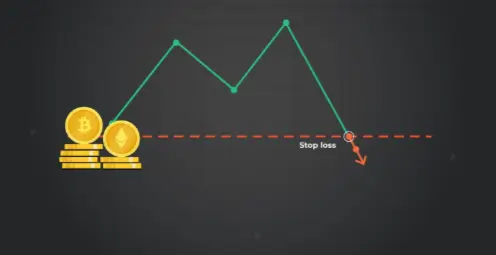
A stop-loss order in crypto is a predefined exit point that triggers automatically when a market moves to a set price. It limits potential losses and preserves capital in volatile markets. When used with discipline, it reinforces risk boundaries and objective sizing. Traders can choose fixed, trailing, or conditional variants to fit their plan. The right setup depends on liquidity and timing; misjudgment can still incur slippage. The next step clarifies how to implement it on major exchanges.
What Crypto Stop-Loss Orders Are and When to Use Them
A stop-loss order is a predefined instruction to exit a crypto position when the price reaches a specified level, designed to cap potential losses and protect capital.
The mechanism reduces emotional trading and reinforces discipline, aligning with freedom-driven goals.
It considers market psychology and liquidity risk, ensuring timely exits during sudden moves while preserving capital for future opportunities.
Why Stop-Losses Protect Your Capital in Volatile Markets
Stop-losses guard capital by providing a clear, automated exit when market moves undermine a position. In volatile markets, they enforce discipline, limiting downside while preserving optionality for recovery.
This approach mitigates volatility mispricing and liquidity risk, preserving optional capital for disciplined reentries. By removing emotion and anchoring risk controls, investors maintain freedom to pursue objective, measured gains.
See also: newsmany
Crypto Stop-Loss Strategies: Fixed, Trailing, and Conditional
Crypto stop-loss strategies come in three core forms—fixed, trailing, and conditional—each serving different risk tolerances and time horizons. It emphasizes disciplined risk management and careful position sizing to balance potential reward with potential loss.
Fixed stops lock in defined losses; trailing adjusts with price movement to preserve gains.
Conditional stops trigger on indicators or events, adding resilience without overexposure.
Freedom-aware, results-driven planning.
Practical Setup: Implement Stop-Loss on Major Exchanges
Exchanges offer built-in, configurable stop-loss orders that traders can deploy to cap losses without constant monitoring, but proper use demands clear parameters, reliable data feeds, and tested execution routines.
Practitioners compare stop loss terminology across platforms, verify latency, and align with risk management goals.
Sessions emphasize disciplined sizing, transparent triggers, and post-trade review to sustain freedom through controlled exposure.
Conclusion
In sum, stop-loss orders anchor risk discipline amid crypto’s volatility, providing a preplanned exit that limits damage and preserves capital for future opportunities. By pairing fixed, trailing, or conditional rules with careful position sizing, traders maintain objective control even when markets move swiftly. The core message: automate your exits to reduce fear-driven decisions, stay results-focused, and respect liquidity and slippage. Like a compass in a storm, a well-placed stop-loss guides toward steadier outcomes. Purposefully measured, relentlessly disciplined.




[…] See also: What Is a Stop-Loss Order in Crypto? […]